
WorkCare Capabilites
Musculoskeletal Injuries
Musculoskeletal Injuries in the Workplace: Costly, but Preventable
Workplace musculoskeletal injuries are one of the most common and costly threats to workforce health today. They rarely come from a single incident. Instead, they develop over time through repetitive motion, sustained awkward postures, forceful exertion, and inadequate recovery. For employers, these injuries are not just a medical issue. They are a performance issue that affects productivity, safety outcomes, retention, and long-term cost control.
Organizations that treat musculoskeletal risk as a strategic priority, not just a workers’ compensation problem, consistently see stronger outcomes across safety, engagement, and operational stability.
Common Causes of Musculoskeletal Injuries at Work
Most musculoskeletal injuries are predictable and the same patterns show up again and again.
Things that contribute to MSDs include:
- Repetitive tasks without job rotation
- Poor workstation design and ergonomics
- Long shifts and overtime that limit recovery
- Fatigue that reduces coordination and focus
- Limited early reporting culture
- Lack of consistent movement education
When these factors combine, small discomfort becomes chronic pain. By the time treatment begins, the opportunity for easy prevention is already gone.
How to Prevent Musculoskeletal Injuries in the Workplace
Traditional safety programs tend to respond after injuries become recordable, and, let’s face it, that’s what businesses are trying to avoid. That approach is expensive and ineffective.
What organizations should do is treat musculoskeletal injury as a prevention challenge, not a treatment challenge.
Effective prevention focuses on:
- Early symptom identification
- Ergonomic assessments and adjustments
- Education on posture, lifting, and movement
- Fatigue management strategies
- Consistent reinforcement through leaders
This approach reduces injury frequency, lowers claim severity, and protects daily performance.
How Occupational Health Partners Change Outcomes
Preventing MSDs at scale requires more than policies. Your employees have to buy-into the programs you put in place and that requires structure, expertise, and consistency.
An experienced occupational health partner can provide your teams with:
- On-site and near-site clinical support
- Ergonomic and movement assessments
- Injury prevention and early intervention models
- Education resources employees actually use
- Data and reporting that reveal risk trends
- Alignment across safety, HR, and operations
Instead of managing injuries one case at a time – after they've become recordable, employers create a prevention-first environment that reduces risk across the workforce.
How WorkCare Supports Musculoskeletal Injury Prevention
WorkCare approaches workplace musculoskeletal injuries through a proactive, integrated model designed to support employees from hire to retire.
Through services such as on-site clinical programs, industrial athlete and injury prevention solutions, telehealth support, and health education resources, WorkCare helps organizations move from reactive care to prevention-first strategy.
WorkCare supports employers with:
- Early intervention for musculoskeletal discomfort
- Ergonomic and movement assessments
- Injury prevention and wellness education
- On-site and virtual clinical care
- Return-to-work coordination
- Data-driven insight into injury patterns
This integrated approach reduces injury risk, improves recovery outcomes, and strengthens overall workforce resilience.
The Long-term Impact on Culture and Performance
When musculoskeletal injury prevention becomes part of everyday operations, organizations see more than fewer claims.
They see:
- Stronger trust between employees and leadership
- Higher engagement and retention
- Safer work behaviors
- More consistent productivity
- A culture that values long-term health over short-term output
This is where prevention delivers its greatest return.
Final Takeaway
Workplace musculoskeletal injuries are not inevitable. They are manageable risks when employers take a proactive, integrated approach.
Organizations that invest in prevention, early intervention, and consistent occupational health support protect their people and strengthen their business at the same time.
For employers serious about employee health and operational performance, musculoskeletal injury prevention is no longer optional. It is a strategic priority.
Answers to Frequently Asked Questions
Q: What causes musculoskeletal injuries at work?
A: Workplace musculoskeletal injuries are typically caused by repetitive tasks, awkward postures, forceful exertion, poor workstation design, fatigue, long shifts, and limited early reporting of discomfort. These risks are often predictable and preventable when addressed early.
Q: How can employers prevent musculoskeletal injuries in the workplace?
A: Prevention starts with early symptom identification, ergonomic assessments, movement and posture education, fatigue management, and leadership reinforcement. A proactive, prevention-first approach consistently reduces injury frequency and severity.
Q: Why are musculoskeletal injuries a major business risk?
A: Beyond medical costs, musculoskeletal injuries drive lost productivity, absenteeism, turnover, higher workers’ compensation spend, and long-term disability exposure. For many employers, they represent one of the largest sources of workforce risk and performance disruption.
Q: What is the difference between treatment and prevention for MSDs?
A: Treatment focuses on managing injuries after they become recordable. Prevention focuses on identifying risk early, adjusting work conditions, and supporting employees before discomfort becomes injury, which is more cost-effective and operationally sustainable.
Q: How does ergonomics help reduce musculoskeletal injury risk?
A: Ergonomic programs optimize workstation design, movement patterns, and job demands to reduce strain on the body. When paired with education and early intervention, ergonomics significantly lowers injury risk and supports daily performance.
Q: How does WorkCare help employers reduce musculoskeletal injury risk?
A: WorkCare supports employers through early intervention, ergonomic and movement assessments, on-site and virtual clinical care, injury prevention education, and data-driven insight into risk patterns, helping organizations move from reactive care to prevention-first strategy.
Need Support Reducing
Workplace Injury Risk?
If you’re looking to proactively reduce injuries and strengthen workplace
safety outcomes, our team can help.
Capabilities - Musculoskeletal Injuries
Webinars
May 5, 2026
Athletes Get Coaching. Employees Get Training. That’s the Problem.

Success Stories
April 23, 2026
Manufacturing

Webinars
March 10, 2026
Making Prevention Part of the Workday, Not Just Training Day

Blogs
March 9, 2026
Participatory Ergonomics Makes Employees Partners in Prevention

Blogs
March 2, 2026
Webinar Recap: Benefits of a Data-driven Workplace Injury Prevention System

Blogs
January 14, 2026
Reducing Workplace Injury Risk Before It Starts

Blogs
January 13, 2026
Workplace Physical Injury Risks Remain One of Employers’ Biggest Challenges for 2026
Blogs
December 31, 2025
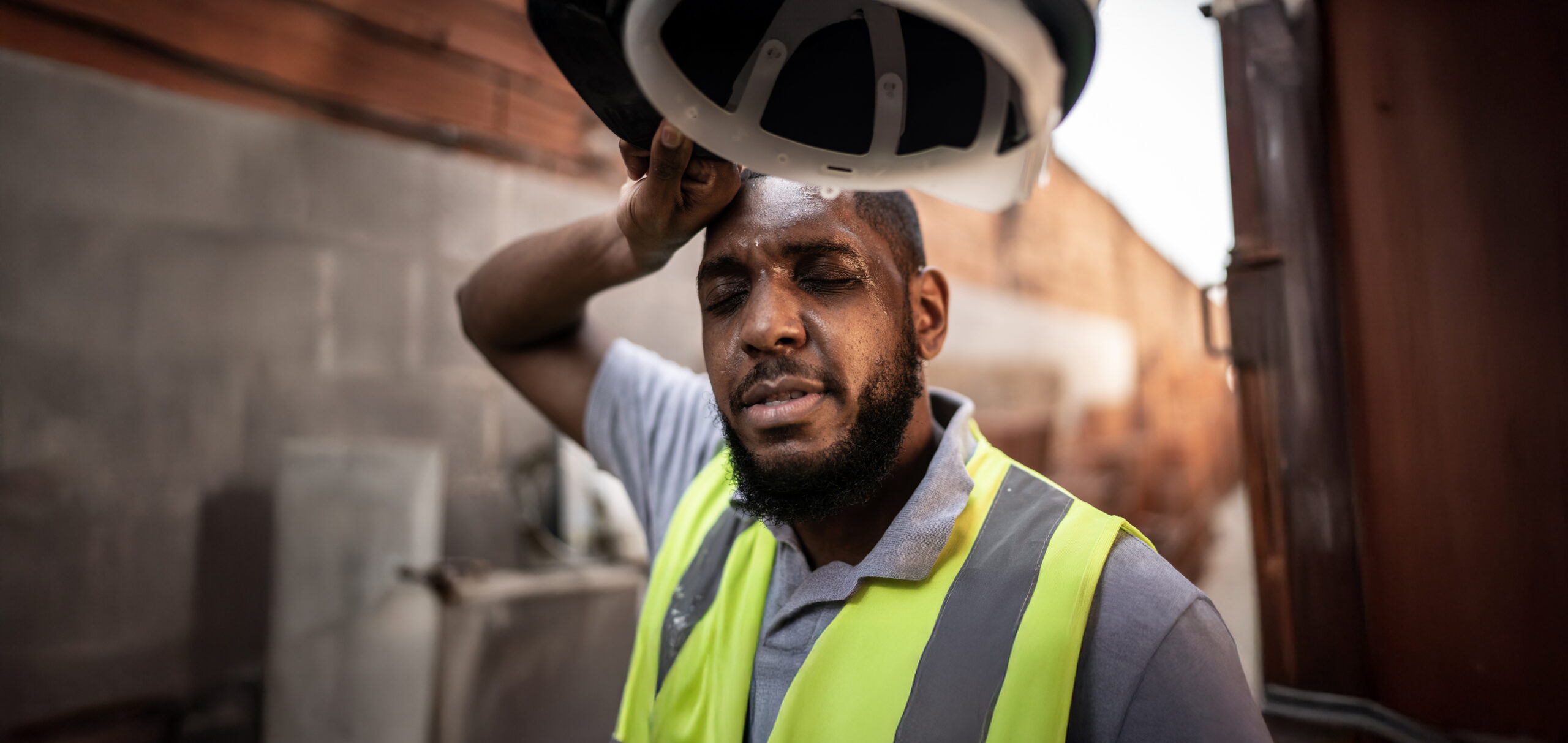
Workplace Temperature & Climate-Related Hazards Are a Growing Employer Risk in 2026
Blogs
December 22, 2025
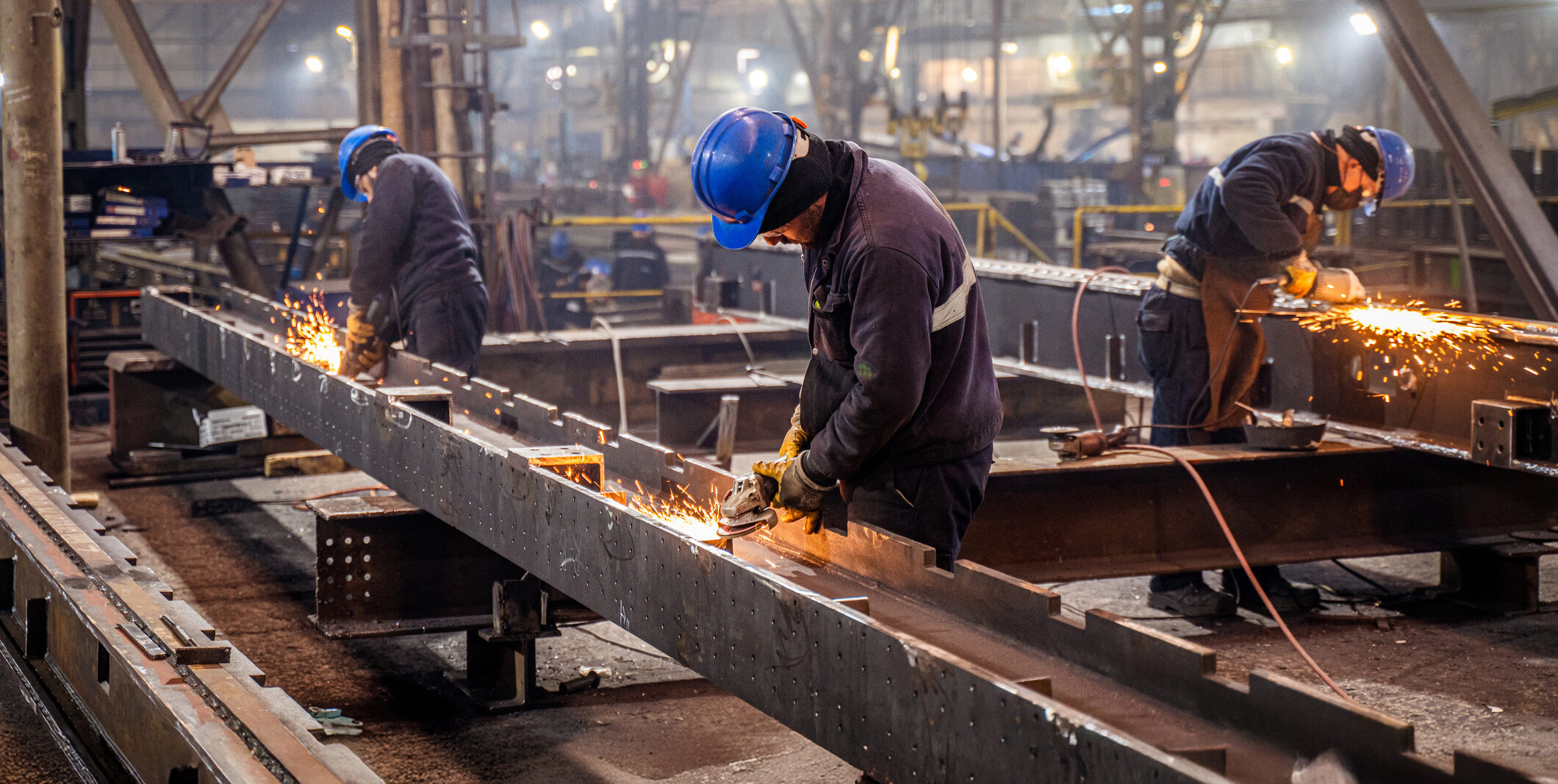
What Does Repetitive Strain Injury Feel Like? What Employers Need to Recognize Early
Webinars
December 19, 2025
Building a Proactive Safety Culture With Real-Time Risk Intelligence

Health + Wellness Tips
October 14, 2025
Office Ergonomics Tips + Self Assessment Checklist

Blogs
October 9, 2025
Occupational Foot Health: Why Workplace Safety Starts from the Ground Up
Let’s Work Together
Ready to take your workforce health and safety to the next level?
Contact us today to learn how WorkCare can partner with you to create a healthier, safer, and more productive workplace.
