
WorkCare Capabilites
Telehealth Triage
Telehealth Triage: Redesigning How Employers Respond to Injury
The first decision made after a workplace injury often determines the cost, duration, and complexity of the entire case. Yet many organizations still rely on informal, inconsistent, or delayed response processes that leave supervisors guessing and employees uncertain.
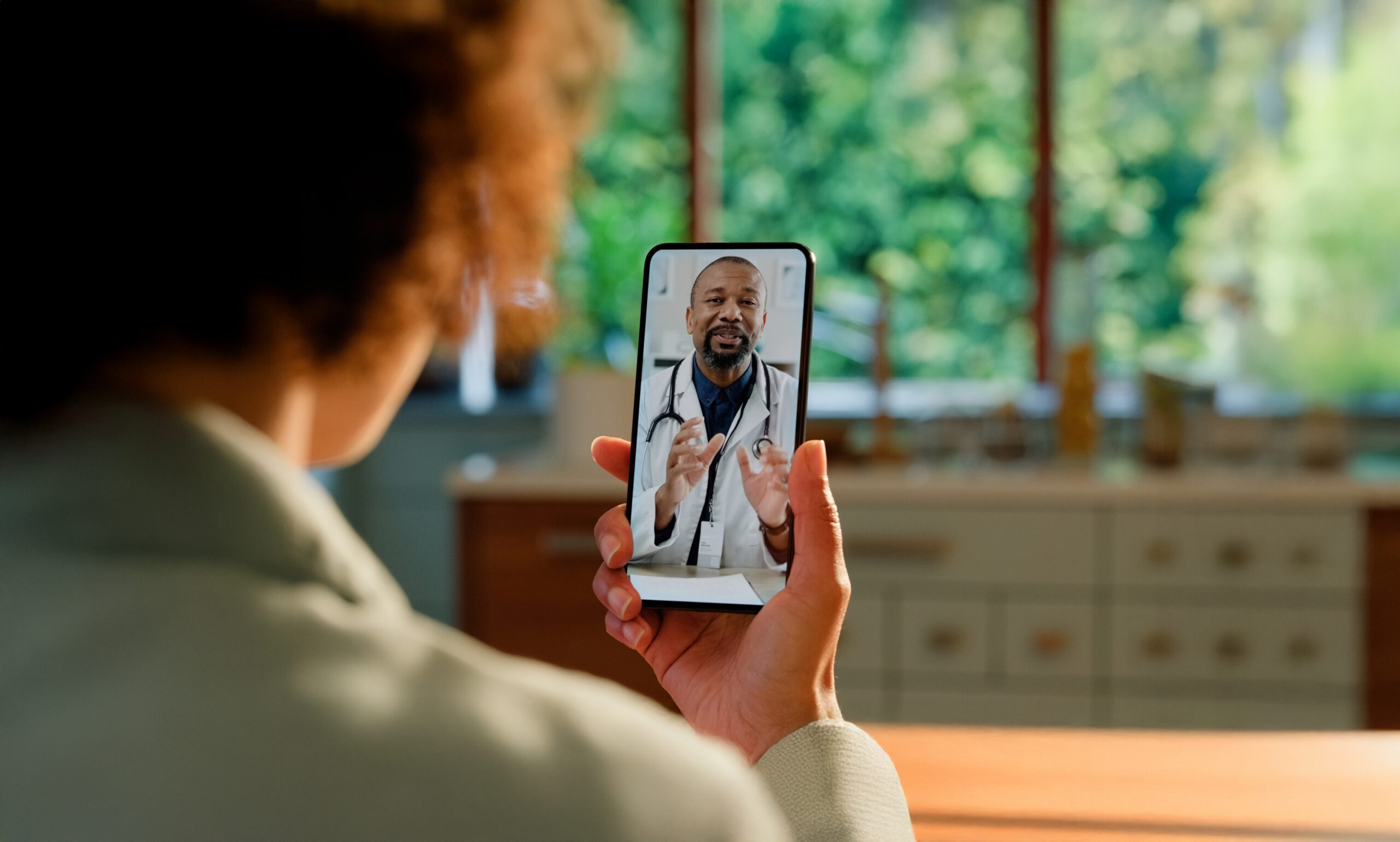
Telehealth triage brings clinical expertise directly into the earliest stage of injury response. It connects employees to trained occupational health clinicians in real time, guiding care decisions based on clinical need, not convenience or habit.
For employers, telehealth triage is not just a digital convenience. It is a foundational control point in managing risk, cost, and workforce trust. See the ROI for yourself.
How Telehealth Triage Improves Safety and Financial Outcomes
Telehealth triage directly influences the factors that drive workers’ compensation and liability exposure.
It helps employers:
- Reduce unnecessary ER visits and urgent care utilization
- Lower average claim costs by controlling early escalation
- Improve OSHA recordkeeping accuracy
- Shorten recovery timelines through faster clinical involvement
- Support earlier return-to-work planning
- Improve employee confidence in the injury process
This is not about limiting care. It is about ensuring care is appropriate, timely, and coordinated.
What Effective Telehealth Triage Looks Like
High-performing telehealth triage programs are not generic nurse hotlines. They are integrated components of an employer’s occupational health system, designed to reduce uncertainty, align decision-making, and support consistent injury response across the organization.
Effective programs include:
- Immediate access to occupational health nurses and physicians
- Structured injury assessment protocols grounded in occupational health best practices
- Documentation aligned to compliance and recordkeeping requirements
- Coordination with in-person care when clinically appropriate
- Clear, consistent communication that serves as a clinical bridge between injured employees, supervisors, HR, and other appropriate stakeholders, reducing miscommunication, decision fatigue, and inconsistent direction
- Integration with return-to-work planning and claims management processes
Without these elements, telehealth becomes a disconnected tool rather than a strategic injury care asset.
How WorkCare Delivers Telehealth Triage
WorkCare’s telehealth triage model is built specifically for occupational health, not for consumer healthcare. It is designed to support employers through both the initial injury response and the recovery journey that follows.
WorkCare supports employers with:
- 24/7 access to occupational health nurses and physicians
- Injury-specific assessment protocols tailored to workplace risk and job demands
- Real-time care guidance with defined escalation pathways, paired with ongoing clinical follow-up to ensure symptoms resolve as expected, identify early warning signs of escalation, and reinforce appropriate recovery behaviors
- Integration with on-site clinics and local provider networks when in-person care is needed
- Documentation that supports compliance, claims management, and operational decision-making
- Data and reporting that reveal injury patterns, severity trends, and opportunities for prevention
This approach ensures telehealth triage is not just fast, but clinically credible, operationally aligned, and effective across the full injury care lifecycle.
Answers to Frequently Asked Questions
Q: How is telehealth triage different from a nurse hotline?
A: Telehealth triage is clinically structured and integrated into an employer’s injury management process, including documentation, care coordination, and return-to-work planning, not just advice over the phone.
Q: Does telehealth triage replace in-person medical care?
A: No. It ensures in-person care is used when clinically appropriate, helping avoid unnecessary ER visits while accelerating access to appropriate treatment.
Q: How does telehealth triage reduce claim costs?
A: By preventing overutilization of emergency services, improving early documentation, and guiding care decisions based on clinical need rather than convenience.
Q: Is telehealth triage available after hours?
A: Yes. WorkCare provides access to occupational health clinicians 24/7 to ensure consistent injury response regardless of shift or location.
Q: What types of injuries are appropriate for telehealth triage?
A: Most non-life-threatening injuries and discomforts, including strains, sprains, minor cuts, burns, and repetitive stress symptoms, are appropriate for telehealth triage.
Q: How does telehealth triage improve compliance?
A: It creates consistent documentation, supports OSHA recordkeeping, and ensures injuries are evaluated using standardized protocols.
Q: How does telehealth impact the employee experience?
A: Employees receive immediate guidance from trained clinicians rather than waiting for direction, improving confidence, clarity, and trust in the injury process.
Need Faster Access to Care
When Injuries Occur?
If you’re looking to ensure employees receive the right care
at the right time, our telehealth triage clinicians can help.
Capabilities - Telehealth Triage

Blogs
April 17, 2026
How to Avoid the Hidden Costs of Pushing Through Work-related Injuries

Blogs
March 4, 2026
Workplace Injury Management: How Telehealth Transforms Response and Recovery — and Drives ROI

Blogs
February 18, 2026
The Show Goes On with WorkCare Event Medical Services Behind the Scenes

Blogs
February 4, 2026
10 Common Pitfalls in Work-Related Injury Management (and How to Avoid Them)

Blogs
December 11, 2025
How Injury Triage Works in the Workplace

Articles
December 9, 2025
The Economics of Occupational Health: How WorkCare’s Injury Care Telehealth Triage Model Reduces Costs, Risk, and Lost Time
Blogs
November 14, 2025
What’s the Difference Between Telehealth and Telemedicine for Workplace Injuries?

Blogs
November 14, 2025
WorkCare Telehealth Connects Occupational Providers with Injured Employees – Anywhere, Anytime

Blogs
October 28, 2025
Telehealth Triage: How, When and Why It Can Support Occupational Health

Blogs
October 8, 2025
Legal + Regulatory Changes Employers Can’t Ignore if They Want to Cut Recordables

Blogs
October 6, 2025
Naloxone Availability at Worksites Helps Prevent Overdose Deaths

Webinars
September 24, 2025
Injury Care Anywhere – How Telehealth Transforms Workplace Response in Remote Environments
Let’s Work Together
Ready to take your workforce health and safety to the next level?
Contact us today to learn how WorkCare can partner with you to create a healthier, safer, and more productive workplace.
