
WorkCare Capabilites
Virtual + On-site Clinics
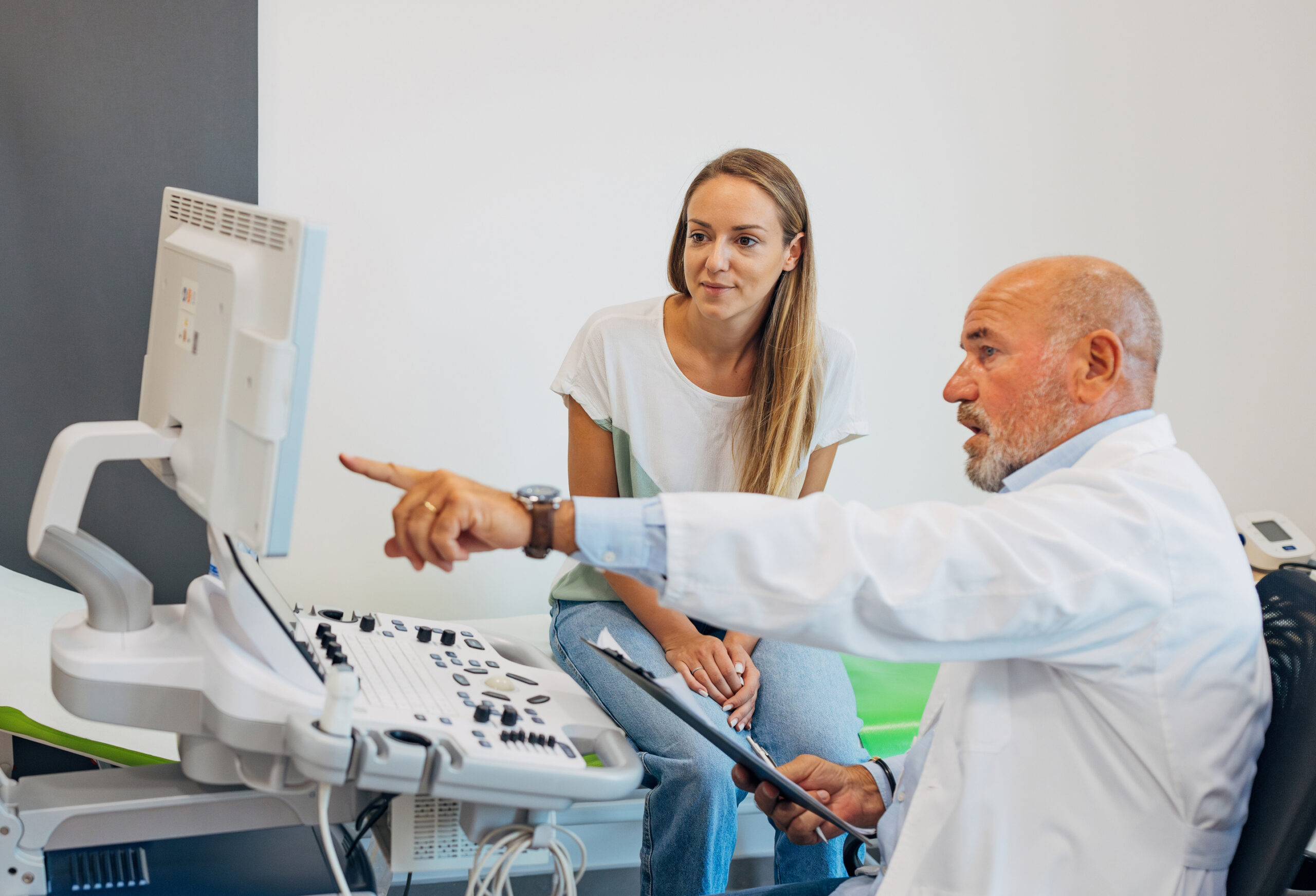
Virtual and On-site Clinics: Redefining Access to Care
Traditional healthcare systems were not designed around the realities of the workplace. Delays, travel time, and misaligned care contribute to higher costs and lost productivity.
Virtual and on-site clinics bring care closer to employees while aligning treatment with occupational risk and business needs.
What Effective Clinic Models Include
High-performing clinics are not generic urgent care offices.
They are designed around:
- Occupational risk profiles
- Injury prevention and early intervention
- Integrated clinical and safety workflows
- Data visibility into workforce health
- Wellness initiatives and education
- Seamless referral and escalation pathways
How WorkCare Designs and Delivers Clinics
WorkCare builds clinic models that are scalable and aligned to operational realities.
WorkCare supports employers with:
- On-site clinics
- Virtual care platforms
- Hybrid care delivery models
- Integrated occupational health services
- Clinical staffing and program management
- Data and performance reporting
Answers to Frequently Asked Questions
Q: Are on-site clinics only for large employers?
A: No. Clinics can be scaled based on workforce size, risk profile, and geography, including shared or near-site models for smaller employers.
Q: How do clinics reduce healthcare costs?
A: They improve access to early care, reduce ER utilization, manage chronic conditions proactively, and align treatment with occupational risk.
Q: How do clinics improve productivity?
A: By reducing time away from work for care, supporting faster recovery, and improving preventive and early intervention services.
Q: What types of services are typically offered in on-site clinics?
A: Services often include injury care, health screenings, wellness programs, vaccinations, and chronic condition support aligned to workforce needs.
Q: How does WorkCare design clinic models?
A: WorkCare develops clinic plans based on workforce risk, industry, and operational goals, ensuring clinical credibility and business relevance.
Q: Are on-site clinics only for large employers?
A: No. WorkCare designs scalable models for all workforce sizes.
Q: Do clinics replace primary care?
A: No. They complement it by focusing on occupational and work-related health needs.
Q: Do clinics reduce healthcare costs?
A: Yes, through improved access and prevention.
Need More Convenient Access to
Workplace Medical Care?
If you’re looking to deliver timely care while
reducing disruption and costs, our clinic solutions can help.
Capabilities - Virtual + On-site Clinics

Blogs
November 17, 2025
WorkCare On-Site Clinical Services Deliver Measurable Value in U.S. Workplaces
Blogs
October 17, 2025
Functional Capacity Evaluations (FCEs): Insights for Safe, Compliant Work Assignments

Blogs
October 16, 2025
Who Needs a Consulting Medical Director — and Why Every Business Should Consider One

Blogs
September 17, 2025
Insights from Littler’s 2025 Labor Day Report: Navigating Regulatory Shifts

Blogs
September 16, 2025
From Groundbreaking to Ribbon-Cutting: WorkCare’s Roadmap for Temporary On-Site Medical Clinics

Blogs
September 10, 2025
Workplace Trends: WorkCare Delivers Solutions to Offset Rising Medical Costs

Blogs
September 4, 2025
The Data Center Construction Boom: Why On-Site Occupational Health Clinics Are a Must-Have

Blogs
August 13, 2025
Occupational Health in Construction: What Employers Need to Know

Blogs
July 29, 2025
Protecting Energy and Utility Workers in a Changing Climate

Blogs
July 22, 2025
Occupational Health in Energy and Utilities: What Employers Need to Know

Webinars
June 24, 2025
Beyond the Checklist: Human-Centered Consulting That Drives Real Impact

Blogs
June 9, 2025
Employee Engagement: What it Means for Occupational Health and Workplace Safety
Let’s Work Together
Ready to take your workforce health and safety to the next level?
Contact us today to learn how WorkCare can partner with you to create a healthier, safer, and more productive workplace.
