
WorkCare Capabilites
Ergonomics
Workplace Ergonomics: Reducing Injury Risk + Improving Performance
Workplace ergonomics is one of the most effective and overlooked ways to protect employee health and improve performance. When workstations, tools, and workflows are designed to fit the worker, injury risk drops, productivity improves, and long-term workforce stability increases.
For employers, ergonomics is not a comfort initiative. It is a business strategy that directly impacts safety outcomes, absenteeism, retention, and total cost of risk. Organizations that treat ergonomics as part of their occupational health strategy consistently outperform those that rely on reactive injury management alone.
Why Ergonomics is a Business Priority
The cost of poor ergonomics shows up quietly but consistently. Employers feel it through:
- Increased musculoskeletal injuries
- Higher workers’ compensation claims
- More lost workdays
- Greater presenteeism
- Higher turnover in physically demanding roles
- Lower engagement and morale
Many of these outcomes never appear in a single incident report. They show up as patterns that slowly erode performance and profitability. Strong ergonomics programs interrupt that pattern.
The Hidden Risks of Ignoring Ergonomics
Most ergonomic risks are built into daily work routines. Common drivers include:
- Repetitive tasks without rotation
- Awkward postures sustained for long periods
- Poorly designed tools and work surfaces
- Extended shifts with limited recovery
- Lack of early reporting culture
- Minimal education on movement and posture
When employees work through discomfort instead of addressing it early, minor issues turn into chronic injuries. By the time treatment begins, the opportunity for easy prevention is already gone.
How Ergonomics Improves Safety and Productivity
Ergonomics is one of the few safety strategies that improves both health outcomes and business results at the same time.
Fewer Injuries
Better workstation design and task flow reduce cumulative strain that leads to occupational overuse syndrome and repetitive strain injuries.
Stronger Performance
Employees who are comfortable and supported move more efficiently, make fewer errors, and maintain focus longer.
Lower Absenteeism and Presenteeism
Reducing daily discomfort means fewer missed days and fewer employees working below capacity.
Better Retention
When work feels sustainable, employees are more likely to stay, especially in physically demanding roles.
Why Reactive Approaches Fall Short
Many organizations address ergonomics only after injuries become recordable. That approach treats symptoms, not causes.
True ergonomic impact comes from:
- Proactive risk identification
- Early intervention when discomfort begins
- Consistent education on safer movement
- Leadership reinforcement of prevention behaviors
Without these elements, ergonomics becomes a one-time assessment instead of a sustained strategy.
What Effective Ergonomics Programs Include
High-performing workplace ergonomics programs share a few common traits.
They focus on:
Early Identification
Encouraging employees to speak up at the first sign of discomfort.
Practical Adjustments
Making real changes to tools, workstations, and workflows, not just issuing guidelines.
Education That Sticks
Teaching posture, lifting, and movement in ways employees can apply immediately.
Fatigue Management
Designing schedules and breaks to support recovery.
Ongoing Reinforcement
Revisiting ergonomics regularly, not only during onboarding.
This is how ergonomics becomes part of daily operations instead of a compliance checkbox.
The Role of Occupational Health Partners
Implementing ergonomics at scale takes more than good intentions. It requires expertise, consistency, and follow-through.
An experienced occupational health partner provides:
- On-site and virtual ergonomic assessments
- Movement and posture coaching
- Injury prevention and early intervention programs
- Education resources that support behavior change
- Data and reporting that highlight risk trends
- Alignment across safety, HR, and operations
Instead of reacting to injuries one at a time, employers gain a system that reduces risk across the workforce.
How WorkCare Supports Workplace Ergonomics
WorkCare approaches ergonomics as part of a broader injury prevention and workforce health strategy.
Through integrated occupational health services, on-site clinical programs, industrial athlete solutions, and health education resources, WorkCare helps organizations build ergonomic programs that work in real environments.
WorkCare supports employers with:
- Ergonomic and movement assessments
- Early intervention for musculoskeletal discomfort
- Injury prevention education
- On-site and virtual clinical support
- Return-to-work coordination
- Data-driven insights into ergonomic risk patterns
This integrated model allows employers to reduce injury risk while strengthening productivity and employee trust.
The Cultural Impact of Strong Workplace Ergonomics
When ergonomics becomes part of everyday work life, employees feel the difference.
They feel supported.
They feel safer speaking up.
They trust leadership’s commitment to long-term health, not just short-term output.
That trust translates into stronger engagement, safer behaviors, and more resilient teams.
Answers to Frequently Asked Questions
Q: How does ergonomics reduce workplace injuries?
A: Ergonomics reduces injury risk by addressing repetitive motion, awkward postures, forceful exertion, and poor workstation design, which are leading contributors to musculoskeletal and repetitive strain injuries.
Q: What are the benefits of a workplace ergonomics program?Ignoring Ergonomics
A: Effective ergonomics programs lead to fewer injuries, lower workers’ compensation costs, improved productivity, reduced absenteeism, stronger retention, and safer daily work behaviors.
Q: What are common ergonomic risks in the workplace?s Improves Safety and Productivity
A: Common risks include poorly designed workstations, repetitive tasks without job rotation, awkward postures, inadequate tool design, long shifts with limited recovery, and lack of early reporting when discomfort begins.
Q: Why are reactive ergonomics approaches ineffective?
A: Reactive approaches address injuries only after they become recordable, treating symptoms rather than causes. Proactive ergonomics identifies risk early and prevents discomfort from becoming an injury.
Q: How can employers implement ergonomics at scale?
A: Successful ergonomics programs require consistent risk identification, practical workstation and workflow adjustments, employee education, fatigue management, and leadership reinforcement across operations.
Q: How does WorkCare support workplace ergonomics?
A: WorkCare provides ergonomic and movement assessments, early intervention for discomfort, injury prevention education, on-site and virtual clinical support, and data-driven insight to help employers reduce risk and improve performance.
Need Help Reducing
Ergonomic Injury Risk?
If you’re looking to identify risk factors and prevent musculoskeletal
injuries, our ergonomics experts can help.
Capabilities - Ergonomics

Webinars
May 5, 2026
Athletes Get Coaching. Employees Get Training. That’s the Problem.

Success Stories
April 23, 2026
Manufacturing

Webinars
March 10, 2026
Making Prevention Part of the Workday, Not Just Training Day

Blogs
March 9, 2026
Participatory Ergonomics Makes Employees Partners in Prevention

Blogs
March 2, 2026
Webinar Recap: Benefits of a Data-driven Workplace Injury Prevention System

Blogs
January 14, 2026
Reducing Workplace Injury Risk Before It Starts

Blogs
January 13, 2026
Workplace Physical Injury Risks Remain One of Employers’ Biggest Challenges for 2026
Blogs
December 31, 2025
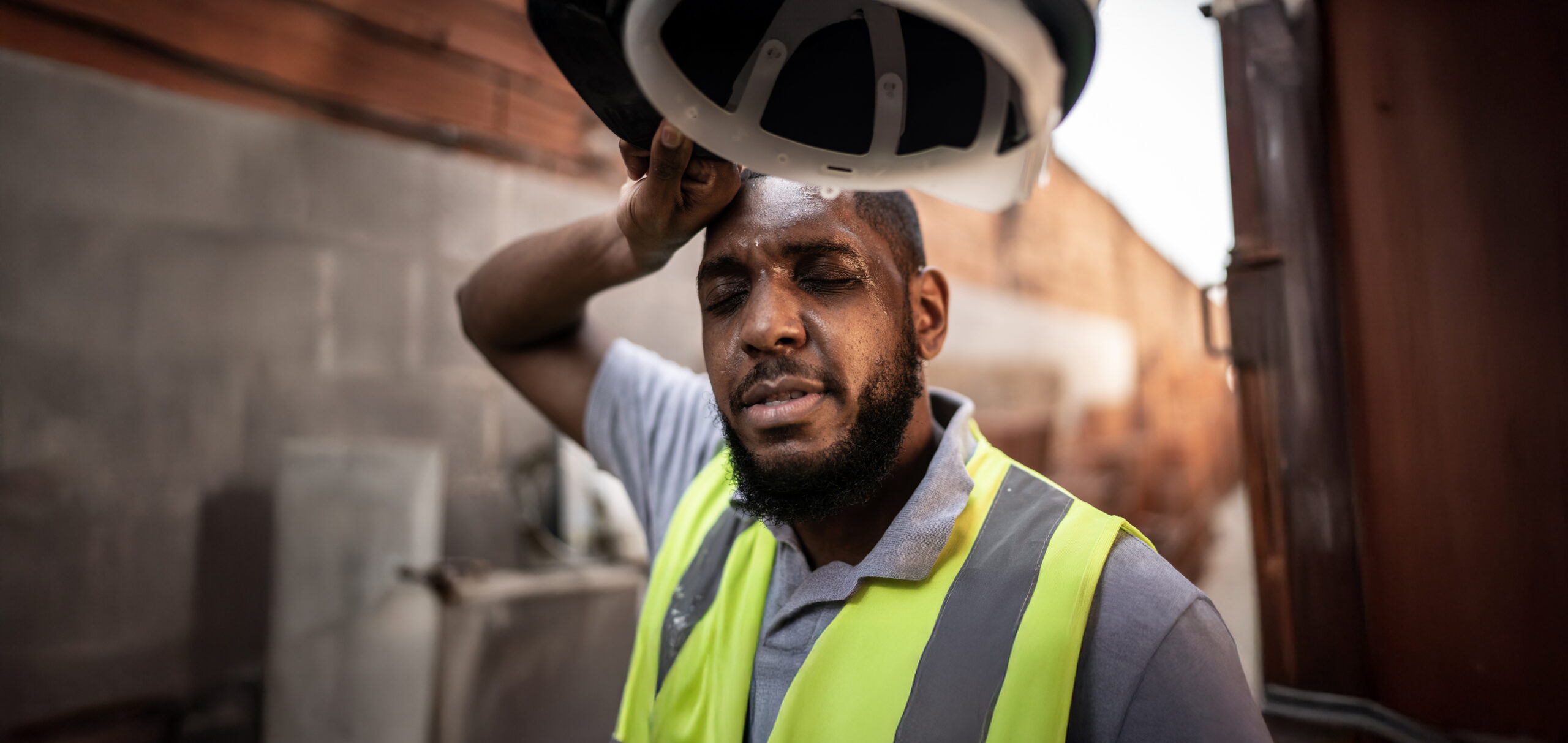
Workplace Temperature & Climate-Related Hazards Are a Growing Employer Risk in 2026
Blogs
December 22, 2025
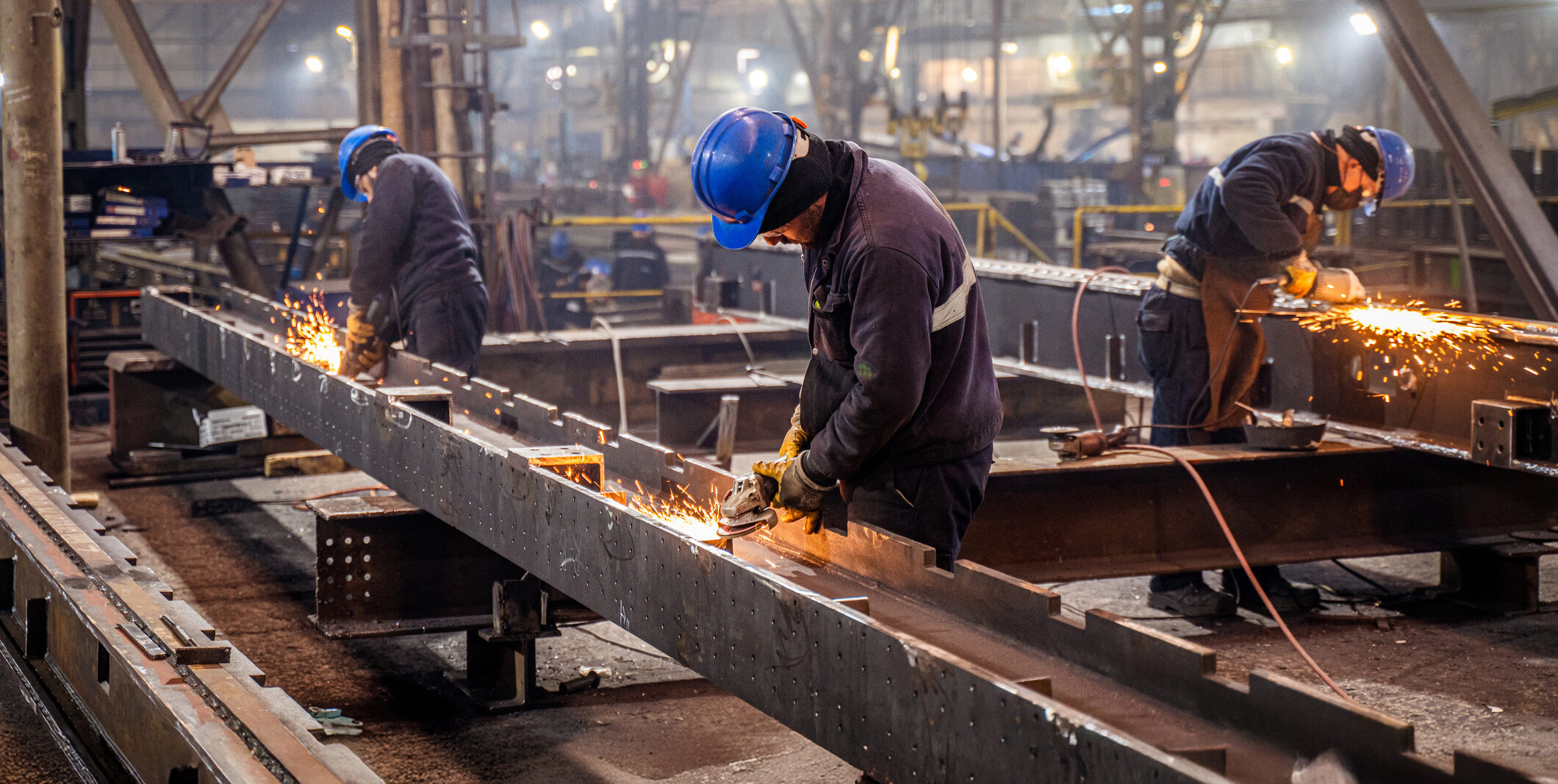
What Does Repetitive Strain Injury Feel Like? What Employers Need to Recognize Early
Webinars
December 19, 2025
Building a Proactive Safety Culture With Real-Time Risk Intelligence

Health + Wellness Tips
October 14, 2025
Office Ergonomics Tips + Self Assessment Checklist
Blogs
October 9, 2025
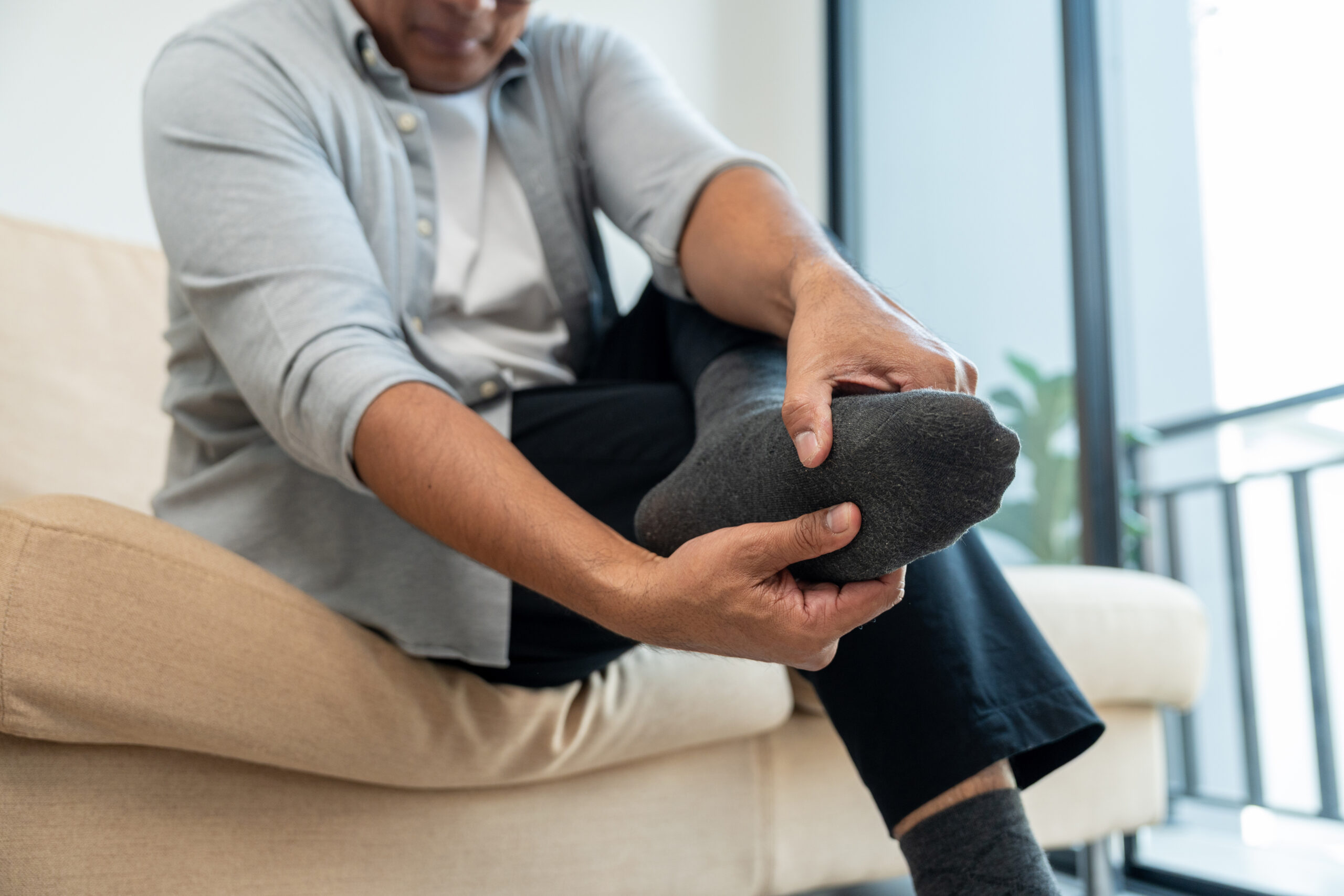
Occupational Foot Health: Why Workplace Safety Starts from the Ground Up
Let’s Work Together
Ready to take your workforce health and safety to the next level?
Contact us today to learn how WorkCare can partner with you to create a healthier, safer, and more productive workplace.
