
WorkCare Capabilites
Musculoskeletal Injuries
Musculoskeletal Injuries in the Workplace: Costly, but Preventable
Workplace musculoskeletal injuries are one of the most common and costly threats to workforce health today. They rarely come from a single incident. Instead, they develop over time through repetitive motion, sustained awkward postures, forceful exertion, and inadequate recovery. For employers, these injuries are not just a medical issue. They are a performance issue that affects productivity, safety outcomes, retention, and long-term cost control.
Organizations that treat musculoskeletal risk as a strategic priority, not just a workers’ compensation problem, consistently see stronger outcomes across safety, engagement, and operational stability.
Common Causes of Musculoskeletal Injuries at Work
Most musculoskeletal injuries are predictable and the same patterns show up again and again.
Things that contribute to MSDs include:
- Repetitive tasks without job rotation
- Poor workstation design and ergonomics
- Long shifts and overtime that limit recovery
- Fatigue that reduces coordination and focus
- Limited early reporting culture
- Lack of consistent movement education
When these factors combine, small discomfort becomes chronic pain. By the time treatment begins, the opportunity for easy prevention is already gone.
How to Prevent Musculoskeletal Injuries in the Workplace
Traditional safety programs tend to respond after injuries become recordable, and, let’s face it, that’s what businesses are trying to avoid. That approach is expensive and ineffective.
What organizations should do is treat musculoskeletal injury as a prevention challenge, not a treatment challenge.
Effective prevention focuses on:
- Early symptom identification
- Ergonomic assessments and adjustments
- Education on posture, lifting, and movement
- Fatigue management strategies
- Consistent reinforcement through leaders
This approach reduces injury frequency, lowers claim severity, and protects daily performance.
How Occupational Health Partners Change Outcomes
Preventing MSDs at scale requires more than policies. Your employees have to buy-into the programs you put in place and that requires structure, expertise, and consistency.
An experienced occupational health partner can provide your teams with:
- On-site and near-site clinical support
- Ergonomic and movement assessments
- Injury prevention and early intervention models
- Education resources employees actually use
- Data and reporting that reveal risk trends
- Alignment across safety, HR, and operations
Instead of managing injuries one case at a time – after they've become recordable, employers create a prevention-first environment that reduces risk across the workforce.
How WorkCare Supports Musculoskeletal Injury Prevention
WorkCare approaches workplace musculoskeletal injuries through a proactive, integrated model designed to support employees from hire to retire.
Through services such as on-site clinical programs, industrial athlete and injury prevention solutions, telehealth support, and health education resources, WorkCare helps organizations move from reactive care to prevention-first strategy.
WorkCare supports employers with:
- Early intervention for musculoskeletal discomfort
- Ergonomic and movement assessments
- Injury prevention and wellness education
- On-site and virtual clinical care
- Return-to-work coordination
- Data-driven insight into injury patterns
This integrated approach reduces injury risk, improves recovery outcomes, and strengthens overall workforce resilience.
The Long-term Impact on Culture and Performance
When musculoskeletal injury prevention becomes part of everyday operations, organizations see more than fewer claims.
They see:
- Stronger trust between employees and leadership
- Higher engagement and retention
- Safer work behaviors
- More consistent productivity
- A culture that values long-term health over short-term output
This is where prevention delivers its greatest return.
Final Takeaway
Workplace musculoskeletal injuries are not inevitable. They are manageable risks when employers take a proactive, integrated approach.
Organizations that invest in prevention, early intervention, and consistent occupational health support protect their people and strengthen their business at the same time.
For employers serious about employee health and operational performance, musculoskeletal injury prevention is no longer optional. It is a strategic priority.
Answers to Frequently Asked Questions
Why Medical Exams and Surveillance Are a Business Priority
Medical exams and surveillance are often viewed through a compliance lens alone. In reality, they play a direct role in protecting productivity, controlling costs, and reducing liability.
Employers benefit through:
- Reduced injury and illness rates
- Lower workers’ compensation and disability exposure
- Fewer regulatory citations and fines
- Stronger workforce readiness
- Improved employee trust in workplace safety
- Better documentation in the event of claims or audits
These programs protect both the organization and the employee when implemented correctly.
The Risks of Fragmented or Outdated Programs
Many organizations struggle with medical exams and surveillance because their programs are fragmented across multiple vendors, clinics, and internal teams.
Common issues include:
- Inconsistent exam protocols
- Delays in scheduling and obtaining results
- Missed or incomplete regulatory requirements
- Poor data visibility
- Inaccurate or delayed documentation
- Employee frustration with the process
These gaps introduce unnecessary risk, not only in terms of compliance but also in workforce readiness and morale.
How Medical Surveillance Improves Safety and Performance
When integrated into a broader occupational health strategy, medical surveillance becomes a proactive safety and performance tool.
It helps employers:
Identify Health Risks Early
Emerging issues such as hearing loss, respiratory impairment, or fatigue can be addressed before they become disabling or lead to incidents.
Ensure Job Readiness
Fitness-for-duty evaluations confirm that employees can safely perform the essential functions of their roles.
Reduce Incident Severity
Employees who are medically monitored and supported recover faster and experience fewer complications when injuries occur.
Strengthen Regulatory Confidence
Consistent documentation and standards reduce exposure during audits and inspections.
Why Reactive Compliance Falls Short
Programs built only to satisfy regulatory checklists often fail to deliver meaningful protection.
Reactive models result in:
- Missed warning signs
- Rushed or incomplete exams
- Minimal employee engagement
- Limited prevention value
High-performing organizations shift from compliance-first to health-first models, where regulatory requirements are met through systems designed for prevention and performance.
What Effective Medical Exams and Surveillance Programs Include
Best-in-class programs share several core traits.
They focus on:
Consistency
Standardized protocols across locations and roles.
Accessibility
Efficient scheduling and minimal disruption to operations.
Accuracy
Clear standards, qualified providers, and reliable documentation.
Integration
Alignment with safety, HR, risk, and operations.
Actionability
Clear pathways from exam results to follow-up, accommodation, or intervention.
This transforms exams and surveillance from a cost center into a strategic asset.
The Role of Occupational Health Partners
Building and maintaining effective medical exams and surveillance programs requires more than vendor coordination. It requires occupational health expertise.
A strong partner provides:
- National clinic networks and on-site capabilities
- Regulatory expertise across OSHA, DOT, and industry standards
- Clinical oversight and quality assurance
- Technology that supports scheduling, tracking, and reporting
- Alignment with injury prevention and return-to-work programs
- Medical records storage as per OSHA requirements
Instead of managing complexity internally, employers gain a single, integrated system for workforce medical oversight.
How WorkCare Supports Medical Exams and Surveillance
WorkCare helps employers implement and manage medical exams and surveillance programs that are compliant, consistent, and aligned with workforce health strategy.
Through integrated occupational health services, on-site and near-site care, and centralized program management, WorkCare supports organizations with:
- Pre-placement and fitness-for-duty evaluations
- Medical surveillance and regulatory exams
- Exposure monitoring and compliance reporting
- On-site and virtual clinical support
- Return-to-work clearances
- Data and insights tied to safety and risk outcomes
This integrated approach reduces administrative burden while strengthening protection for both employees and employers.
The Cultural Impact of Strong Programs
When employees experience medical exams and surveillance as professional, consistent, and supportive, trust grows.
Employees feel safer.
Leaders gain confidence in workforce readiness.
Organizations build credibility with regulators and stakeholders.
That trust translates into stronger safety culture, earlier reporting, and better long-term outcomes
Need Support Reducing
Workplace Injury Risk?
If you’re looking to proactively reduce injuries and strengthen workplace
safety outcomes, our team can help.
Capabilities - Musculoskeletal Injuries

Blogs
January 14, 2026
Reducing Workplace Injury Risk Before It Starts

Blogs
January 13, 2026
Workplace Physical Injury Risks Remain One of Employers’ Biggest Challenges for 2026
Blogs
December 31, 2025
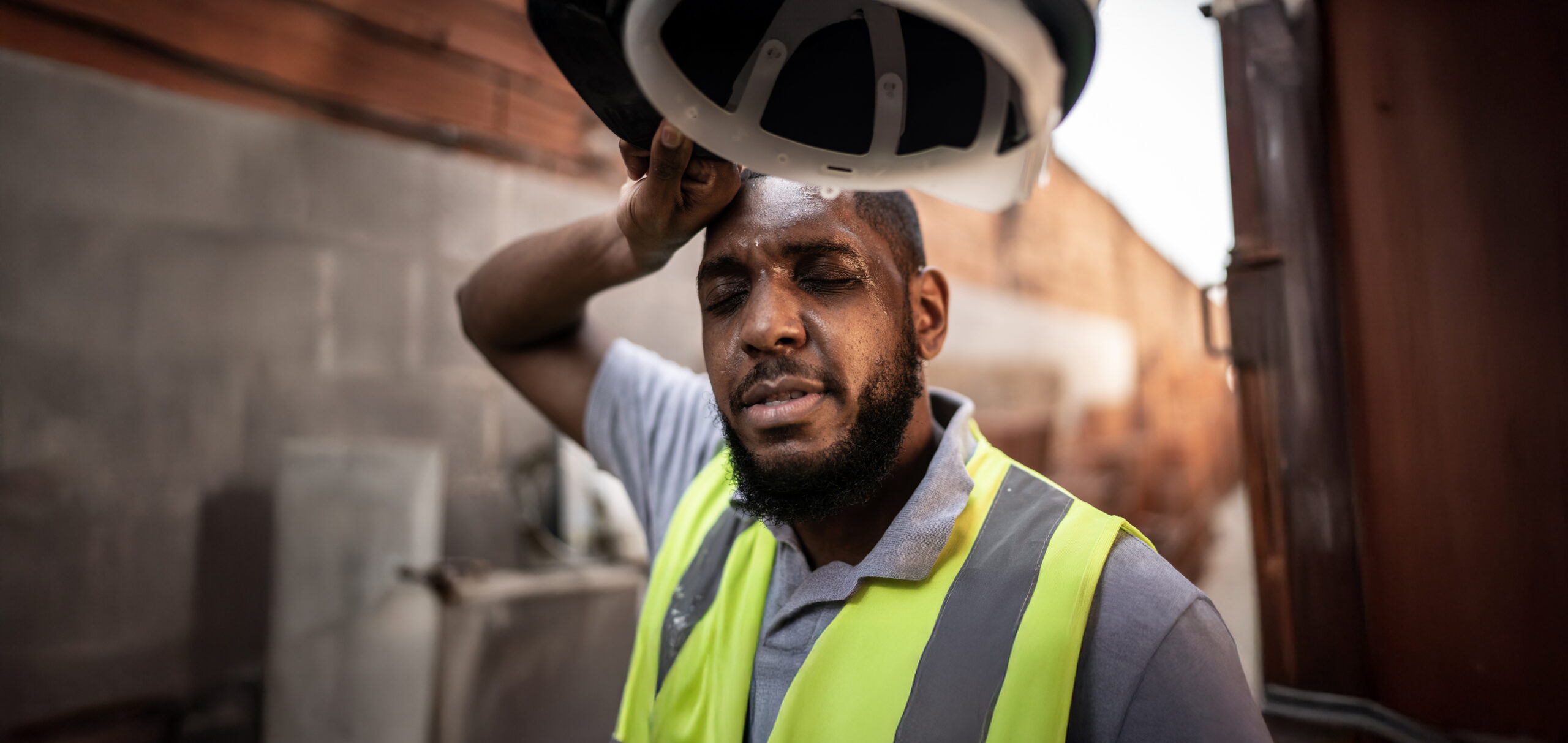
Workplace Temperature & Climate-Related Hazards Are a Growing Employer Risk in 2026

Blogs
December 22, 2025
What Does Repetitive Strain Injury Feel Like? What Employers Need to Recognize Early

Webinars
December 19, 2025
Building a Proactive Safety Culture With Real-Time Risk Intelligence

Health + Wellness Tips
October 14, 2025
Office Ergonomics Tips + Self Assessment Checklist

Blogs
October 9, 2025
Occupational Foot Health: Why Workplace Safety Starts from the Ground Up
Blogs
September 8, 2025
Data-Driven Insights Advance Workplace Injury Prevention Efforts

Videos
August 14, 2025
Incident Prevention ROI Calculator

Blogs
August 12, 2025
Safe + Sound Week Promotes Workplace Emergency Preparedness and Response

Blogs
August 5, 2025
Human-centered Ergonomics Consulting: A Workplace Health Game Changer

Webinars
July 30, 2025
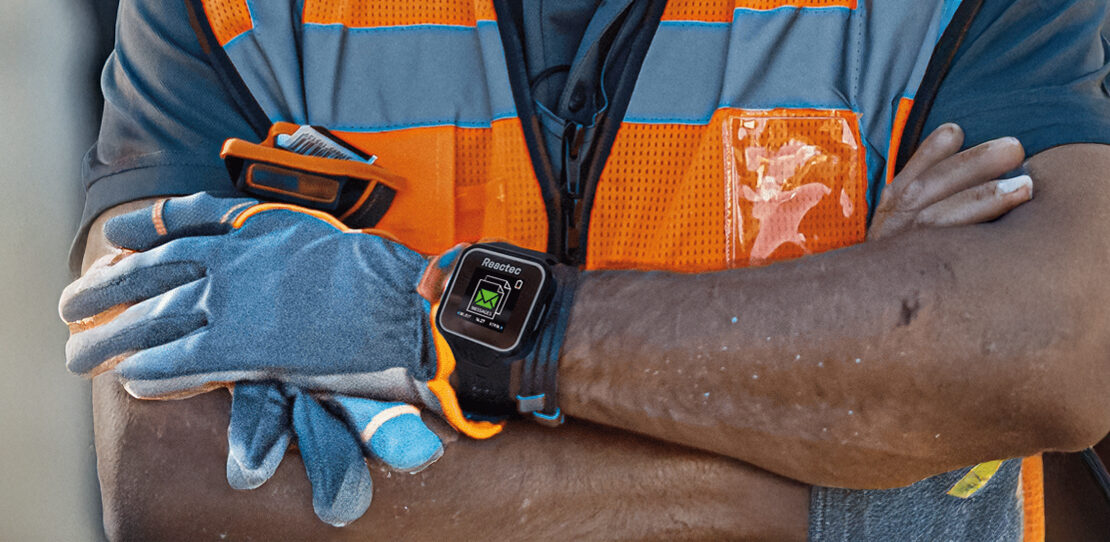
WorkCare + Reactec Present: At the Intersection of the Digital and Physical in Workplace Health Management
Let’s Work Together
Ready to take your workforce health and safety to the next level?
Contact us today to learn how WorkCare can partner with you to create a healthier, safer, and more productive workplace.
